Gardening looks simple until you actually try it. You buy the plants, water them faithfully, and somehow… they still struggle. If you’re new to gardening, you’re not doing anything wrong. Most beginner mistakes come from misunderstanding what plants actually need.
Here are the tips I wish someone had told me from the start.
When I first started gardening, I tend to overwater my plants. Overwatering is the fastest way to kill a plant. Roots need oxygen as much as they need moisture. If the soil is constantly wet, roots suffocate and rot. Stick your finger into the soil. If the top inch is still damp, hold off on the watering.
The second mistake people tend to make is focusing on the plant more than the soil. You can’t out-water or out-fertilize bad soil. Healthy plants start with soil that drains well and contains organic matter. If your soil stays muddy or rock-hard, fix the soil before blaming the plant.
Sun, shade, wind, and space all matter more than effort. A sun-loving plant will never thrive in shade, no matter how much you care for it so you have to do your research on which of your plants need sun, shade, space or wind.
When I first starting out, I just planted whatever herbal seeds I could get my hands on. I was too excited. But not all plants are beginner-friendly. Some require perfect timing, pruning, or conditions. It takes work. Lucky for me, a lot of herbs like basil, mint, rosemary, and vegetables like lettuce or zucchini are far more forgiving than other kinds of plants particularly ornamental ones. I’m a herbalist so I’ve been mostly sticking with herbs.
When I plant seeds, I always assume that it’s not possible to crowd the plants once they grow but seedlings don’t stay tiny for long of course. You can underestimate how much space a growing plant can take over. Crowding plants leads to poor airflow, disease, and weak growth. The spacing recommendations look excessive for a reason so just trust them.
A lot of people don’t know this but more fertilizer doesn’t mean faster growth. Too much can burn roots or create weak, leggy plants so it’s not a fix all. Just feed the soil lightly, and only when the plant is actively growing.
I used to stress over the littlest things especially whenever I saw discoloration. One yellow leaf doesn’t necessarily mean disaster. This led me to overcorrect, water more, feed more, move plants around, which created more stress on the plants. Just like with humans, we must look at the patterns of the plants, not single symptoms. We must address the terrain.
Last but not least, you got to learn your seasons. Plants follow seasonal rhythms. Planting too early or too late often will lead to disappointment so learn your frost dates and plant accordingly. Most plants don’t grow on a content schedule either. Growth is quiet, gradual, and sometimes invisible. Slow progress usually means roots are developing, which is a good thing.
Losing plants is part of becoming a gardener. I remember when my ginger root plant died. I was sad for a week. But then I told myself that even experienced gardeners kill plants. Don’t beat yourself up Vanessa. Failure teaches us far more than success and I have to remember that. Every dead plant is information, not a personal failure.
Gardening isn’t about control, it’s about observation. The more you watch, wait, and listen, the better your garden will teach you what it needs.
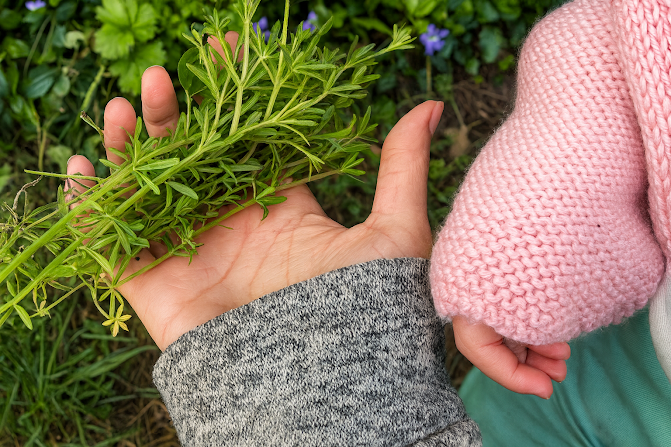
(Photos from my garden <3)


 Honestly, Vanessa