From the outside, Spectra Baby USA looked like a dream workplace. The owner was insanely wealthy and incredibly generous on paper, she handed out brand-new cars for “Employee of the Year,” hosted holiday parties in and outside of work, gave out free VIP concert tickets, and sponsored fun runs and social events.
To anyone looking in, it seemed like the kind of job people would fight to have, the kind where everyone walked around smiling with a free iced latte in hand.
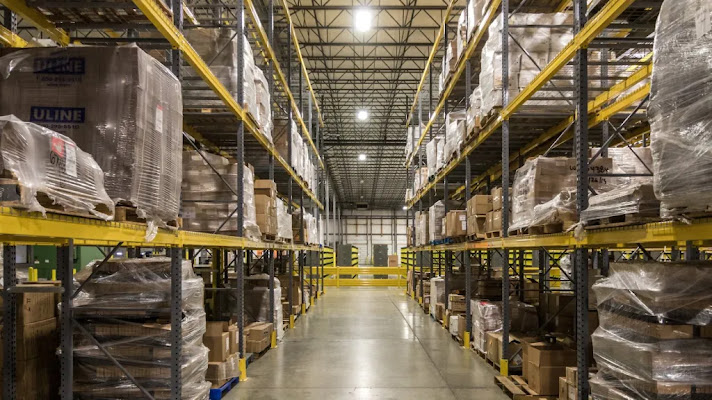
But when you actually worked there, especially in the warehouse, the picture wasn’t nearly as glossy.
I worked as an RMA manager, basically managing the returns department, which put me in an interesting position between the warehouse workers and the office employees because I started off as a warehouse worker. And then suddenly I was chosen to run the RMA department of the warehouse, isolated with my own workspace, my own desk, and my own little corner of the building.
And what I’ve observed and saw every single day was a company divided into clear, unspoken social classes.
The office staff, the corporate side, the ones upstairs in air-conditioned rooms, the ones closer to the owner were always the ones winning those new cars, earning higher pay, getting the better perks, and being recognized as the “faces” of the company.
Meanwhile, the warehouse workers who moved the product, kept the shipments flowing, and literally made the business function were treated like the background crew.
They were expected to be grateful for the vip concert tickets, holiday parties, and whatever else instead of the actual financial rewards or advancement opportunities.
What made it even more heartbreaking was the owner’s isolation. She didn’t know who she could trust, and because of that, she kept her distance especially from the warehouse. She never came down to see what was really happening, how people were being treated, or how morale was crumbling.
She was depressed, disconnected, and surrounded by people who filtered everything through office politics instead of telling her the truth. And when leadership is that detached, favoritism doesn’t just happen, it thrives.
Everyone was hardworking in the warehouse, but it seems like if you weren’t favorited for personal reasons like being a relative to someone that works in corporate, you were not going to get other opportunities.
Someone in the warehouse was getting paid 2x as much as someone who was doing the same type of work because this person was the stepson of a woman in corporate. So crazy.
Personally for me, I was always an industrious person. When a new CFO came around, he took a liking to me because of my work ethic. Very nice old man. He offered to move me upstairs with the office people and I politely declined. I had my reasons.
I had to communicate with the office people quite a lot because I dealt with the returns and I got to know them over time, and honestly… I didn’t like them that much. They were pretty snobby, not to me, but just in general, as far as attitude.
The upstairs energy was mostly boring, quiet, serious, stiff. Downstairs in the warehouse, the place was more alive. I got to move my body a lot to stay fit while staying warm. Listen to music, have engaging conversations and heated debates with my co-workers, but I still worked hard. It was a fun environment for me.
I didn’t want to leave the people I had bonded with. They were my family. I was loyal like that. But the truth is, no one else ever got asked to move upstairs except me. I actually ended up leaving the job not shortly after being asked to move upstairs.
I ended up marrying a civil rights lawyer who wanted a housewife and stepmother to his three kids. He asked me to leave my job and move to Tampa and I said yes without a second thought. Of course, the CFO was sad about it, he gave me his card to call him if I ever needed to come back, just in case. So sweet of him.
Looking back, working in that environment taught me more about people, power, and leadership than any management course ever could. The biggest lesson was this: power isn’t about position, it’s about proximity.
The people closest to leadership get the opportunities, the recognition, and the unspoken privileges, even when they aren’t the hardest workers. The warehouse was full of talent, dedication, and heart, yet none of that mattered if you weren’t inside the right circle. It wasn’t fair, but it was real.
And even though I left that job and started a new chapter, becoming muslim and a housewife, married, traveling the world, living in a completely different place, I’ll never forget the lessons it taught me.
 Honestly, Vanessa