
I first discovered Terrace House a few months during quarantine, and the timing couldn’t have been more perfect. Isolation was heavy. My best friend was still working nonstop, she was in firefighter academy at the time, so suddenly the days felt very quiet and very long. I was taking breaks from work, sitting alone with too much time and not enough human connection.
Terrace House filled that space in a way I didn’t expect. It wasn’t just something to watch, it felt like something to sit with. You get to observe human behavior up close, why people act the way they do, how they justify themselves, how they misunderstand each other. You watch strangers bond, become friends, fall in love, disappoint each other, and grow, all while sharing a home. That shared living aspect made the loneliness soften. It reminded me that connection exists, even when you’re physically alone.
Terrace House is beloved in Japan and honestly… pretty much everywhere else. Even though we just witnessed the horrible news of cancellation and the suicide of Hana Kimura, it still holds a special place in the reality TV universe. There’s just nothing like it, the quiet pacing, the soft interpersonal drama, the politeness layered over real tension. It’s the type of show you fall into, not just watch.
Something about watching strangers cook together, fold laundry, and whisper their feelings in shared living spaces felt strangely comforting during such a chaotic time. And if there’s one thing Terrace House teaches you, it’s this: subtle drama hits harder than loud drama when it’s real.
Now, before I get into some of my favorite moments and my least and favorite characters, which I’ve ranked by season, I want to talk about the commentators.
They are the soul of Terrace House. For those of you who haven’t watched the show yet, Terrace House has a panel of commentators that speaks on certain moments as they watch the show and give their take on it.
For those of you who haven’t watched the show yet, Terrace House features a panel of commentators who watch along and offer their reactions to key moments. Their commentary adds another layer to the experience, often highlighting things you might’ve missed or articulating feelings you couldn’t quite put into words.
Without them, the show would NOT be the same. Their reactions, jokes, psychology breakdowns, and petty commentary literally shapes how the audience perceives the cast. From Tokui’s chaotic comedy, You’s blunt older-sister energy, Reina’s soft empathy, Azusa’s quiet one-liners, Ryota’s innocent reactions, and Shono’s thoughtful observations create the perfect balance of humor, critique, and cultural insight as they guide non-Japanese viewers through cultural subtleties.
What makes them essential is how they elevate even the slowest episodes. A simple sigh, awkward date, or neutral dinner becomes iconic because the panel turns tiny moments into full analysis. They say what the audience is thinking before we even think it, they’re truly part of the show’s DNA, shaping the tone, guiding our reactions, and making Terrace House exactly what it is.
It’s also very important to say that the Terrace House commentators were not at fault for what happened to Hana. Their role has always been to react to the edited storylines they’re shown, not to attack the cast or encourage public hostility. The tragedy wasn’t caused by one comment or one person, it was the result of a larger system such as production decisions, editing choices, and Japan’s toxic online culture.
Japan’s high-pressure social norms also come with a frighteningly real bullying problem. Online attacks aren’t seen as “just comments.” They become overwhelming, isolating, and often unspoken and Hana received this comments during quarantine to make matters worse. The tragedy from the final season exposed this global audience to the fact that Japan has one of the highest suicide rates among developed nations, especially linked to social pressure and shame.
Terrace House shows the nuance of Japanese communication. It’s subtle, respectful, restrained, but you also see the problem with those same qualities. The confrontation tends to be quiet, indirect, and often internalized so by the time criticism finally happens, it can be explosive because it’s being held in for too long. Hana’s story is a reminder that reality TV shapes perception, but the internet can magnify harm far beyond anything a panel of commentators could ever intend.
Terrace House is beautiful, but it’s also a mirror, one that reflects not just the people on screen, but the culture watching them, and ourselves included.
With that in mind, let’s move on to the rankings.
1. Opening New Doors (Karuizawa)
This season is my number one, easily.

Ami. Ami. Ami. A lot of people hated on her, but I always felt like she kept it real. People called her boring or complained that she wasn’t interested in the guys, but that’s not her fault, and that’s not even the point of the show. Terrace House isn’t just a dating experiment.
What gets overlooked is the genuine friendship she formed with Tsubasa. Their bond was heartfelt and grounding, and it deserved way more screen time than it got. Some of that is on the editing, and honestly, the editors did her dirty there.
Ami is blunt and direct, which isn’t typical within Japanese social norms, so a lot of the viewers and housemates read her as strange or rude. The handyman comment about Shohei is often cited as proof, and while it definitely came off harsh, I don’t think it was malicious. There’s nothing wrong with looking like a handyman. It felt more like unfiltered honesty than cruelty.
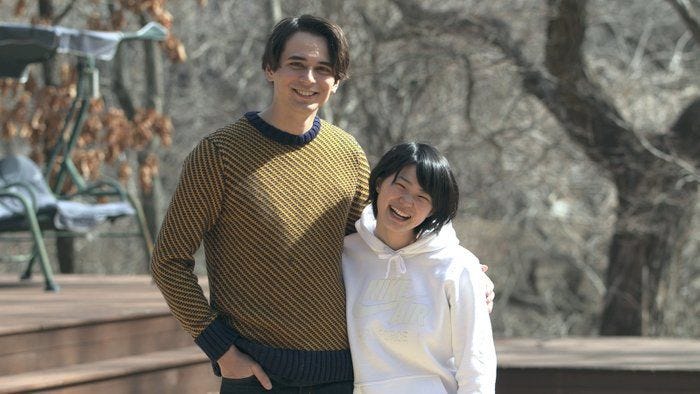
Shion Okamoto and Tsubasa Sato finally getting together was one of the most heart-melting moments of the season. The model and the tomboy. Total opposites.
At first, I honestly thought Shion might doing this for the cameras. But the more time passed, the clearer it became how genuine his feelings were. Nothing about it felt forced. He was soft, patient, and visibly sincere in the way he cared about her.
Tsubasa is such a cutie. She reminds me so much of one of my longtime best friends. Soft-spoken, athletic, humble, and almost painfully innocent. Her relationship with Shion was everything this season. It grounded the show and gave it real emotional weight.
Her insecurity, though, was both adorable and heartbreaking. Especially being next to someone like Seina, a model with effortless confidence. Tsubasa genuinely couldn’t believe that someone as handsome as Shion would be interested in her. Even her father once commented that she was “like a boy” in front of him, which was honestly so embarrassing and sad to watch. You could see how deeply that stuck with her.
Unfortunately, they broke up about a year after leaving the show together. Still, their relationship remains one of the most sincere and tender storylines Terrace House has ever had.
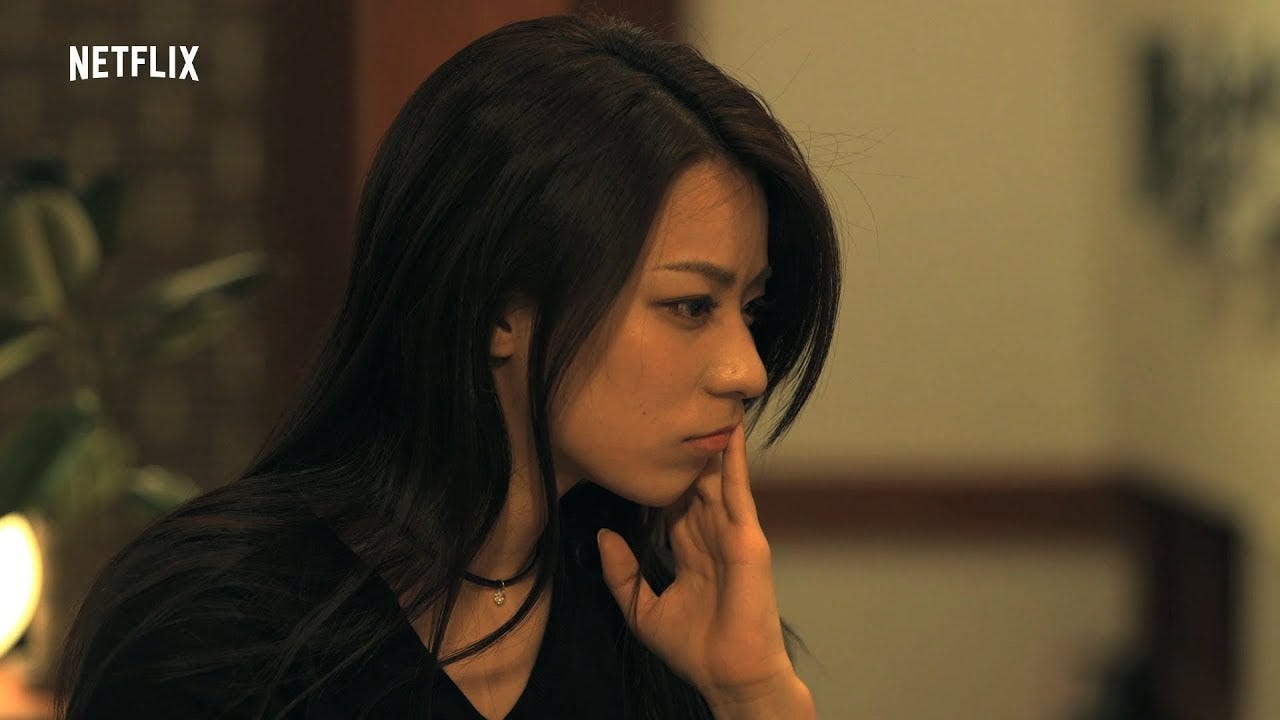
The awkward tension between Mayu and Noah. Erotic model Mayu quickly developed strong feelings for aspiring pilot Noah. Every girl knows this feeling. Being super into a guy who is very clearly not into you. The ache is universal. I loved Mayu, but poor girl did everything she could to get him to feel a little something for her.
She was very pretty with a genuinely sweet personality, but she chased him super hard and this is exactly what drove Noah away. It was painful to watch. Don’t get me wrong, some guys like that, but not most. That doesn’t make her wrong or flawed, it just means the dynamic was mismatched. She doesn’t need to change, she just needs to meet a great guy who will accept her as she is.

Shohei getting rejected at the church. What a epic moment. Omg this moment felt like an eternity. I felt so bad for him, but at this point, Seina already had her sight set on Noah and vice versa. She just wasn’t into him.
What made it worse was what came later. Noah openly telling Shohei that he hooked up with Seina, while laughing. It was brutal. I genuinely don’t understand why Noah couldn’t stop laughing. It wasn’t nervous laughter, it came off careless and cruel. It felt like rubbing salt in the wound, especially knowing Shohei’s feelings were still raw.
That scene always leaves a bad taste in my mouth.

Yui watches herself on TV and is clearly devastated by how she carried herself. When she first entered the house, she presented herself as innocent and wide-eyed, she was what Seina referred to as the Tinker Bell type. She emphasized her virginity, mentioned she had only ever kissed one guy, and came across as sweet and unassuming.
But over time, cracks began to show.
Little by little, a darker side emerged, not all at once, but in subtle moments that gradually reshaped how she was perceived. That slow reveal is what made her arc so unsettling to watch. It wasn’t a sudden transformation, it was a quiet unraveling.
What makes this moment especially powerful is the structure of Terrace House itself. The show is produced and released in near real time, meaning cast members sometimes sit together in the playroom and watch already released episodes of themselves while they’re still living in the house. No other reality show does this. It creates a kind of live feedback loop, where you’re forced to confront not only how others see you, but how you’re being shaped by the edit and received by the public.
So one of the real benefits of being on a reality show is the forced self-confrontation. Most of us never get that kind of mirror. Reality TV doesn’t invent who you are, it simply shows you.
What you do with that awareness matters. For some people, it becomes damaging. For others, it can be a powerful invitation to change.
The part that really sucks is the cyberbullying. The internet assumes you’re frozen in time, that you can’t grow, reflect, or evolve. People online rarely leave room for transformation. That’s the truly harmful part, not the exposure itself, but the certainty that you’re already condemned.
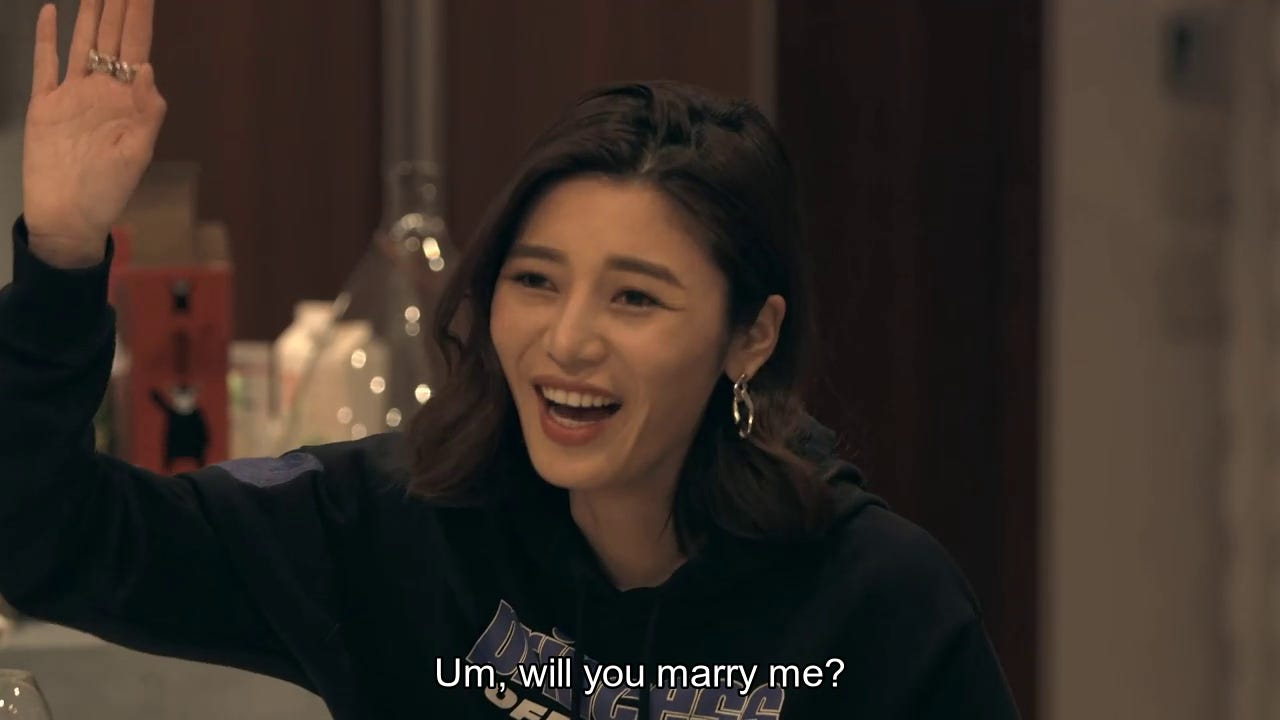
I love everything Seina Shimabukuro does. She is my Terrace House queen. Seina has been part of the franchise since the OG days, so at this point, she’s a legend. She’s opinionated, magnetic, and dramatic in the best possible way. Her presence alone brings out insecurities in the other girls, and honestly, I get it. She walks into a room and the energy immediately shifts.
She effortlessly pushes people to be braver, more expressive, more honest, and in doing so, she drives stories forward for the show. I adore her. She adds chaos, charm, and tension effortlessly. Every entrance, every comment, every dramatic beat, she understands the assignment.
She is reality TV.
The only thing that ever gave me pause was the theory that she and Noah may have already been dating before the show and pretended they hadn’t met. There were moments that felt off, like things were happening behind the scenes while, on camera, they acted distant.
It was noticeable enough that Yui eventually started interrogating Seina about it, and Seina looked genuinely uncomfortable, either annoyed, cornered, or possibly guilty.
Still, regardless of how that played out, Seina and Noah’s chemistry was undeniable and hot. And they’re still together. So honestly? I can’t even be mad at it.
.jpg)
I didn’t like how Taka did my girl Aya. Taka was already talking to a woman outside of terrace house the entire time, something Aya had no idea about. And he only broke things off with Aya after that outside girl gave him the green light. Not before. Not when transparency actually mattered.
That’s what made it feel unfair. Aya wasn’t given the full picture. She was led to believe there was potential, while Taka quietly kept one foot out the door. He never expressed any of this to her beforehand, so when he finally ended it, it felt abrupt and avoidant rather than honest.
Aya was a cool girl, genuine, emotionally present, and grounded. She deserved clarity, not a delayed rejection. She pursued Taka because he was older and her type physically, but age doesn’t mean anything as far as maturity.
In Terrace House, the men cry, especially in this season.
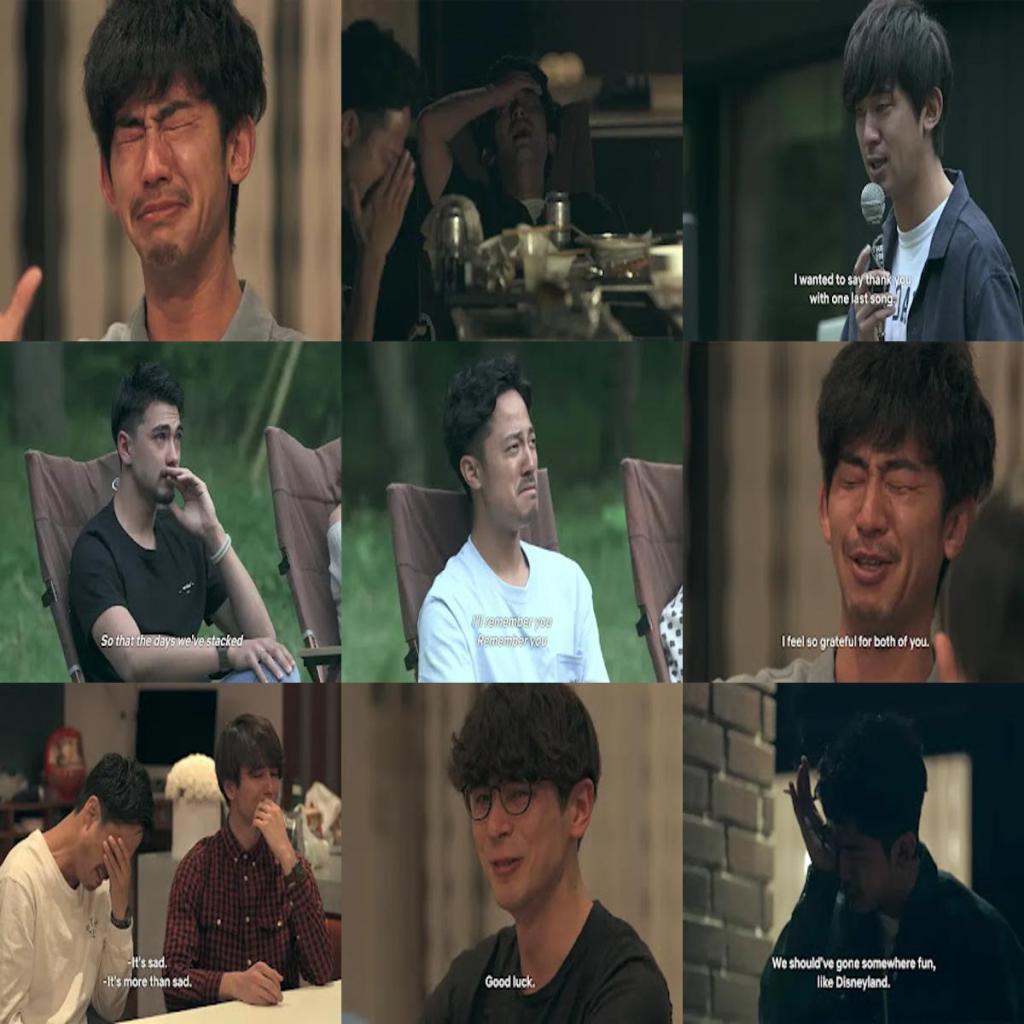
Shohei was funny af as especially when he cried lmaoooo
One thing that really stood out to me is how openly emotional everyone is when someone leaves the house. Everyone cries. And the men cry too, without shame, without trying to hide it. They’re so much more emotionally in touch with themselves than what we’re used to seeing, especially on Western reality TV.
There’s no posturing, no forced toughness. Just genuine attachment, gratitude, and sadness over shared time. Watching that honestly shifted something in me. It made emotional expression feel normal, even admirable. It was so refreshing!
That kind of vulnerability is rare to witness, and it’s one of the reasons Terrace House feels so human.
2. Aloha State
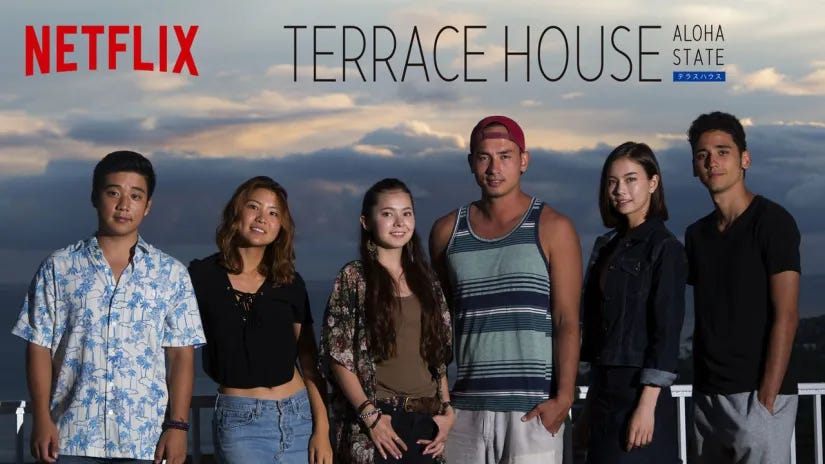
Underrated and absolutely hilarious. A lot of people wouldn’t rank this season as number 2 for them, but this season was the messiest season and by far the most entertaining to me. The Western influence changed the entire communication style so there was more boldness, more clashes, more awkward flirting, and honestly… so much comedy.
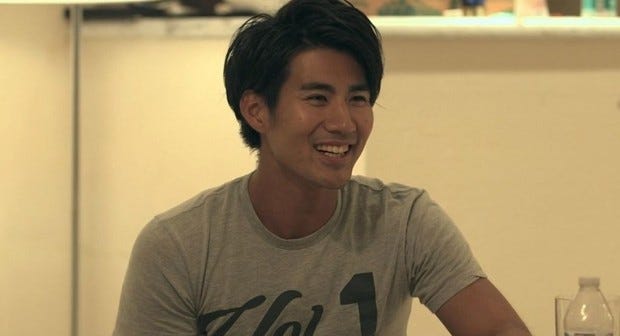
I really enjoyed watching Taishi so he was definitely one of my favorites. He’s a polarizing figure a lot of people found him unnecessarily dramatic and annoying while I and others considered him to the best part of the season, carrying the show with his unique energy. He came on the show to find a love worth dying for. Awww that’s so Taishi coded. ICONIC. This turned into a running gag, fandom slogan, and even commentator meme moment. He took all of the girls out on a date, every single one. This man was determined hahah. He made the season unforgettable.
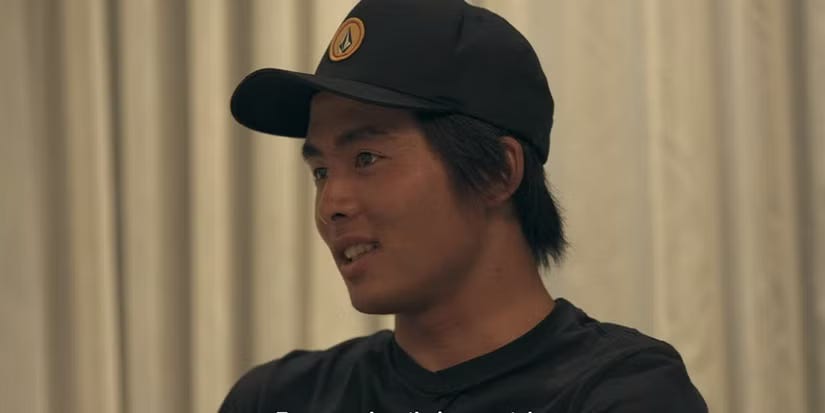
Guy just always said what needed to be said. The Pro surfer with the chill vibes. He was always himself, he respectfully put people in their place, grounded, steady, and unbothered by the pressure to perform for the cameras or fit into anyone’s expectations. That kind of emotional clarity is rare on reality TV, where people often hide behind politeness or indecision. I respect this type of honesty deeply, especially in a show built on subtle tension and careful communication.
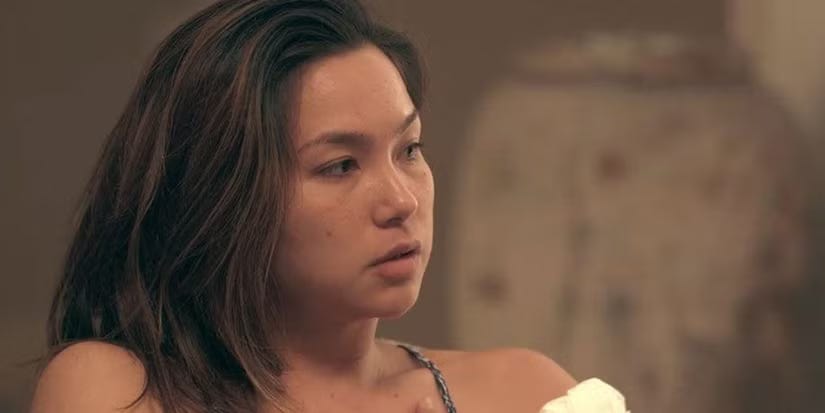
Cheri. Cheri is almost certainly the most hated person who has ever been on Terrace House so far. Cheri is hardly unique in her narcissism. Her biggest crime is not being the kind of person you would want as friend or a housemate.
All the indications are that Cheri comes first in Cheri-land, and, like Taishi, many of us would find her frustrating and galling. She had chaotic vibes, lacked self-awareness, constantly misunderstood why everyone reacted the way they did, and genuinely didn’t know how to take accountability for anything.
Watching her was exhausting indeed.

Wez. Listen… he has more personality than a wet rag. His music? Also no comment. I was honestly so disappointed. And not even for the reasons people might assume like, yes, he was one of the only two black cast members (even though he’s mixed with Japanese, he’s still Black), and I really wanted him to come in and represent.
Give depth, charisma, something. He came in as this dope, mysterious musician with a cool aesthetic, and I genuinely thought he was going to add something interesting to the house… but he literally gave nothing. All vibes, zero substance.
Whenever it was his time to speak up or just say his piece, he’d shrink into silence. Blah. Wez was just… there.
3. Boys & Girls in the City
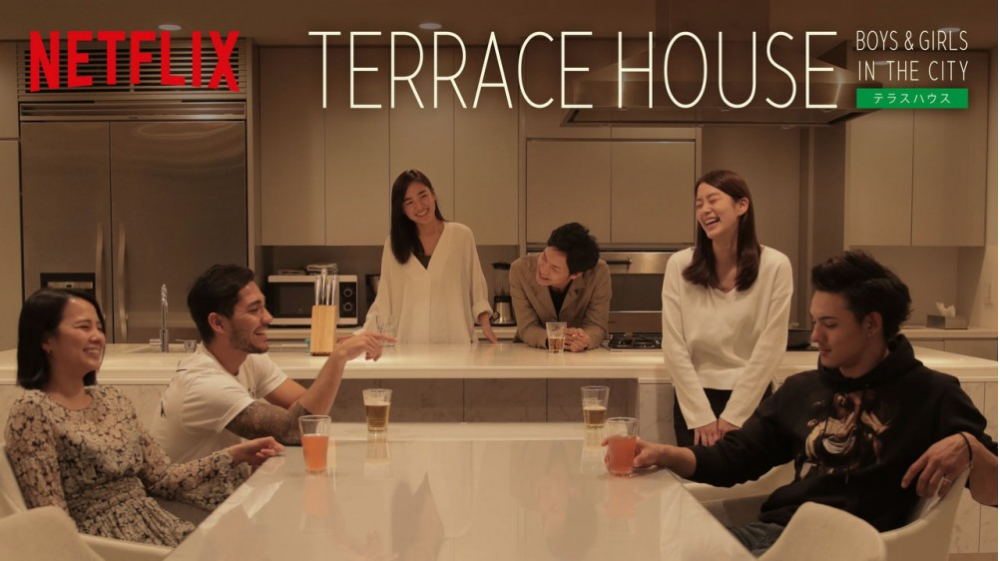
This was the Netflix breakout season. This season also had some of the most heartfelt arcs and number three on my list.
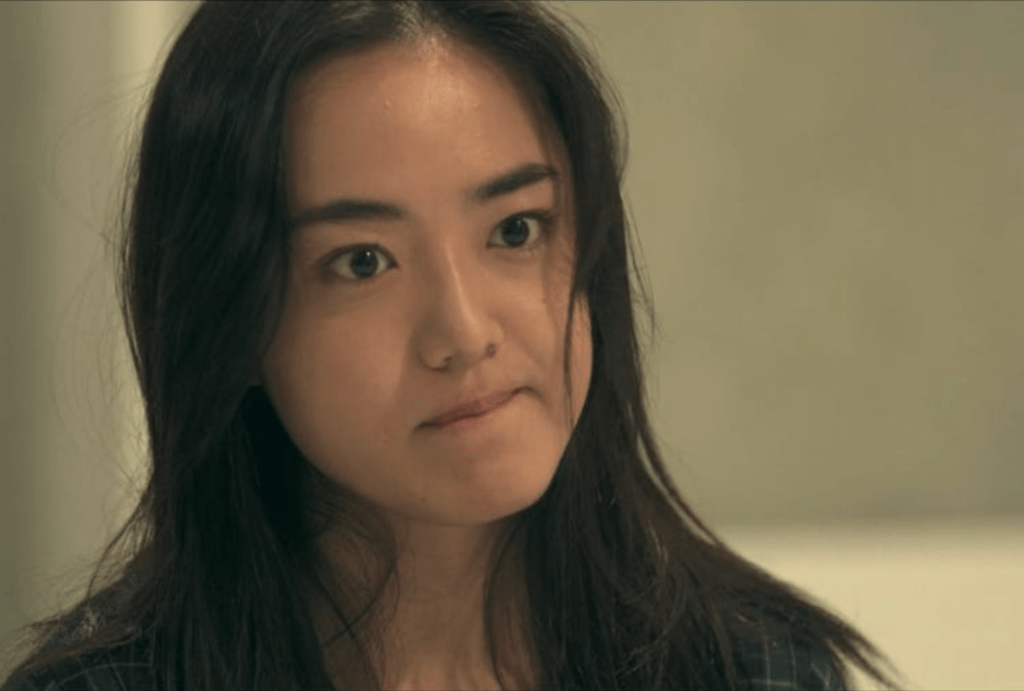
I didn’t like nor dislike Nacchan, but she was definitely an interesting cast member this season. She had a really hard time being empathetic and getting along with the girls. I genuinely felt pity for her because she really didn’t understand why people were upset with her and that must be difficult. First the tension with Minori because she didn’t understand her relationship dynamics with Tatsuya and then the whole awkward public debacle with Misaki over loungewear. I was eating it UP but whew, she didn’t understand why people were upset, which is mind-blowing to me.
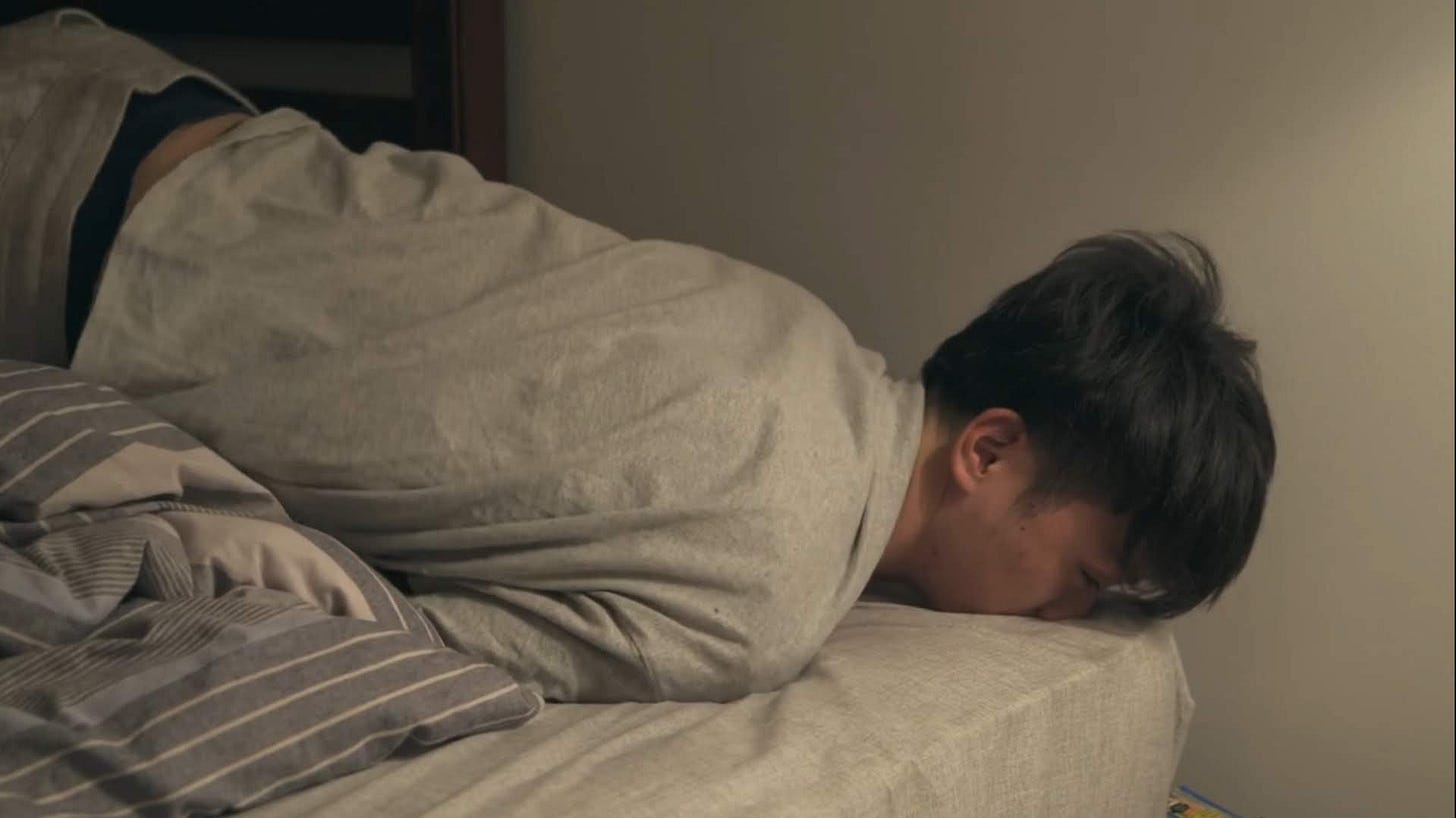
The Uchi meat scandal. Uchi had an emotional breakdown after the housemates cooked and ate expensive, high-quality beef that was gifted to him by a longtime client that he had intended to cook for himself, sparking intense debate about sharing, respect, and property within the house, and highlighting the cultural significance of meat in Japanese dining. The way he flipped over the gifted meat… honestly, I get it. It was sacred. Cultural. Personal. His roommates were WRONG for that.
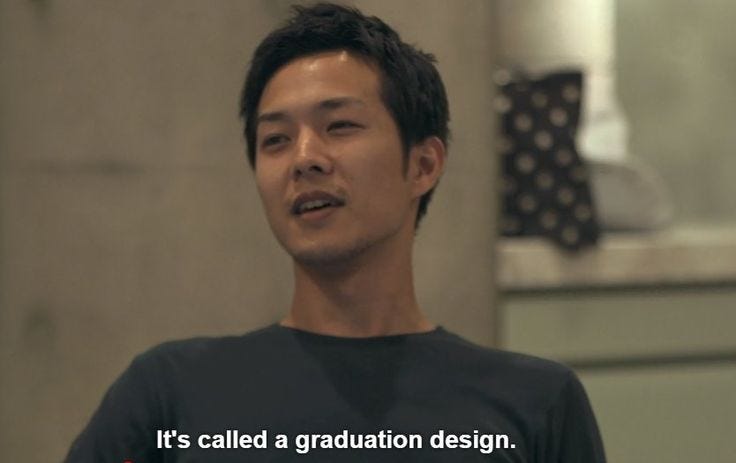
Han-san was definitely one of my favorites in this season and one of the most memorable cast members in Terrace House history. A lot of the female viewers and cast members went gaga over him. He was the suave, mature, handsome man who was effortlessly stylish, and surprisingly smooth, he felt like the stable and calm adult that dropped into a house full of emotional twenty-somethings. His presence shifted the entire energy of the show. He listened more than he spoke, offered the type of advice people actually needed, and somehow managed to be mysterious without trying. He was never messy, but extremely helpful and needed. When he left, everyone in the house cried so hard, the female commentators, and honestly, I cried too.
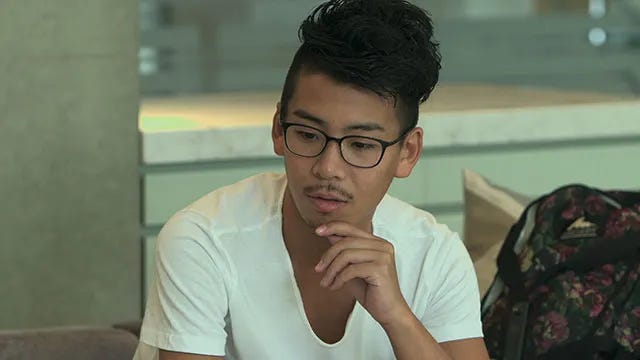 Least liked character for me this season was definitely Tap (Yuki). At the very beginning of the dream police episode everyone is super casual sitting around the couch and he starts GRILLING people about what they will do after university. Then when he gets to Mizuki, I thought she was being super clear with what she said about her goal of owning a shop and he said verbatim “Like, I wasn’t getting anything even though you’ve talked a lot.” He was a very condescending and negative person and mind you, the boy is a tap dancer lmao
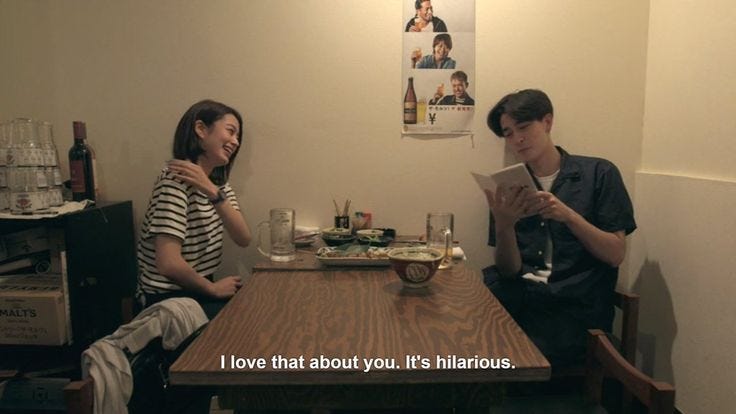
Misaki & Brynes getting together after she gets rejected by Hikaru for “not knowing herself” One of the funniest excuses men have ever invented. Like… what does that even mean? Thankfully, Misaki didn’t waste too much time mourning that nonsense. She ended up finding Brynes who loves her exactly as she is, unapologetically and wholeheartedly. Love that for her.
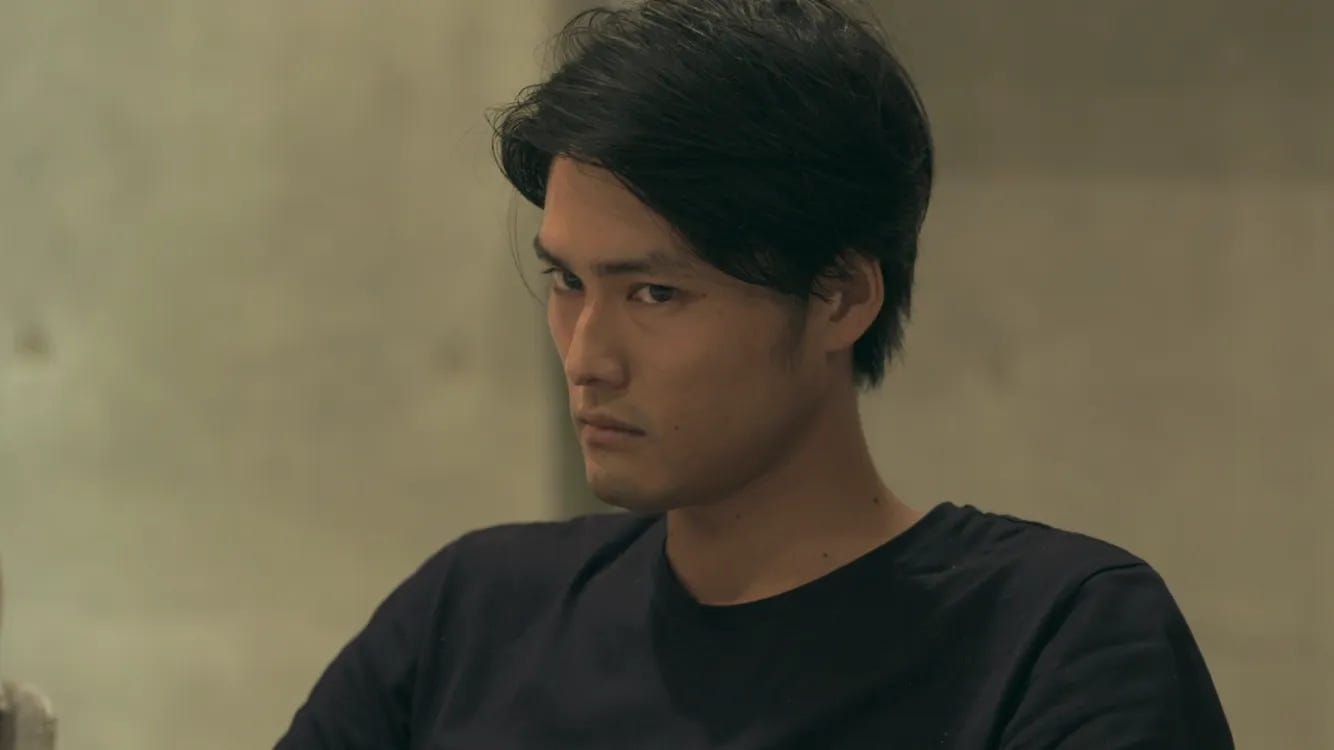
Riko and Hayato’s secret relationship being exposed. Riko and Hayato’s secret relationship being exposed was one of the wildest reveals ever on Terrace House. Riko was an idol girl meaning she needed to appear single for her career so on camera they both kept insisting they only saw each other as “brother and sister.”
Meanwhile, behind the scenes, they were sneaking around and being intimate with each other. It was messy even by Terrace House standards! The craziest part is that they had everyone fooled from the cast to the viewers, and even the commentators. And the commentators did not like that one bit. They were pissed, genuinely offended.
The housemates were furious too which is why they held a house meeting to confront them, and Hayato (who was 11 years older, by the way) could barely speak under the pressure. Watching Riko play this innocent, unsure 17-year-old while secretly dating him behind closed doors… It was so out of left field and it became one of the most iconic scandals in Terrace House history.
4. Tokyo 2019–2020
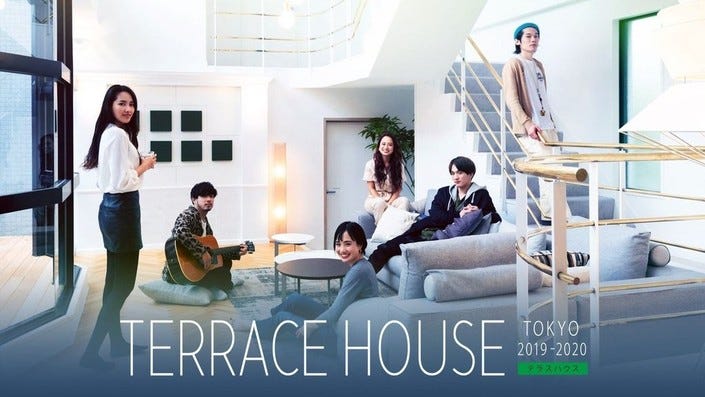
Beautiful but tragic. The saddest season, because one of the cast members, someone many of us adored, passed away from suicide after experiencing severe cyberbullying.
And this is where Terrace House crashes into the darker side of Japanese social dynamics.
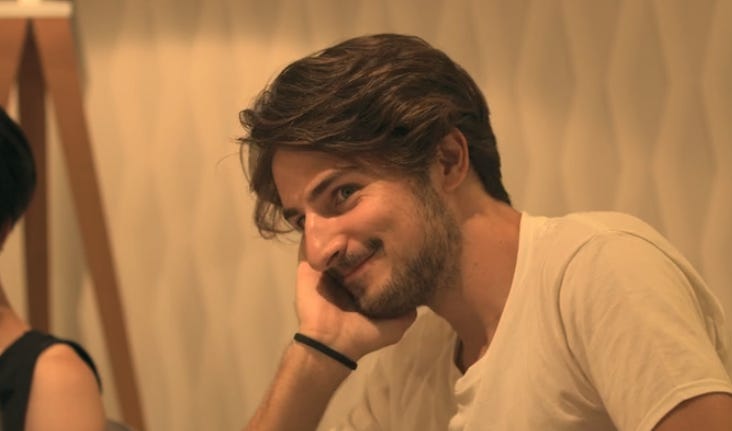
The Unproblematic King and Comic Book Artist. Peppe was one of the most refreshing personalities to ever walk into Terrace House. An Italian comic book artist with a soft, grounded presence, he brought this gentle confidence that instantly shifted the atmosphere. He wasn’t dramatic, he wasn’t messy, and he never tried to manufacture moments for attention which is exactly why people loved him. He was very intentional and more so focused on his craft. You could see how much passion he poured into creating his manga, “Mingo,” and the house rooted for him as he worked toward getting it published. He wasn’t chasing fame, he was chasing purpose.
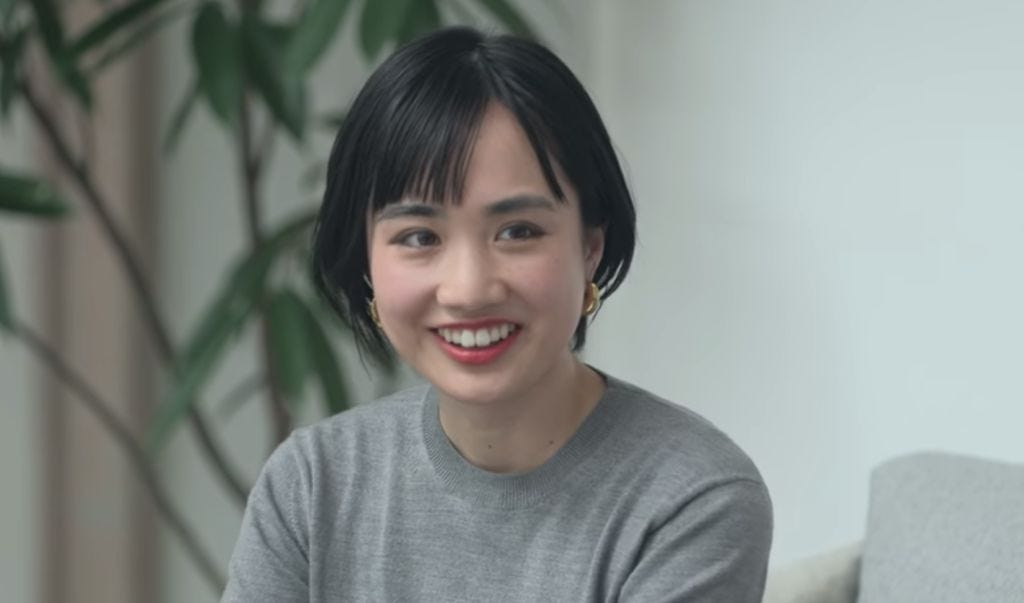
Kaori’s Insecurities emerging. Another subtle but memorable part of Peppe’s storyline was the quiet tension that developed with Kaori. As Peppe’s confidence and artistic path started gaining momentum, Kaori began feeling a little threatened, not because he did anything wrong, but because his creative direction and self-assuredness highlighted her own insecurities about her own work and career as she was an artist herself. I really liked Kaori, and I genuinely wanted to see what she could grow into during her time in the house, so it was sad to watch her leave. It was a very human moment where someone steps back because another person’s growth makes them doubt their own.
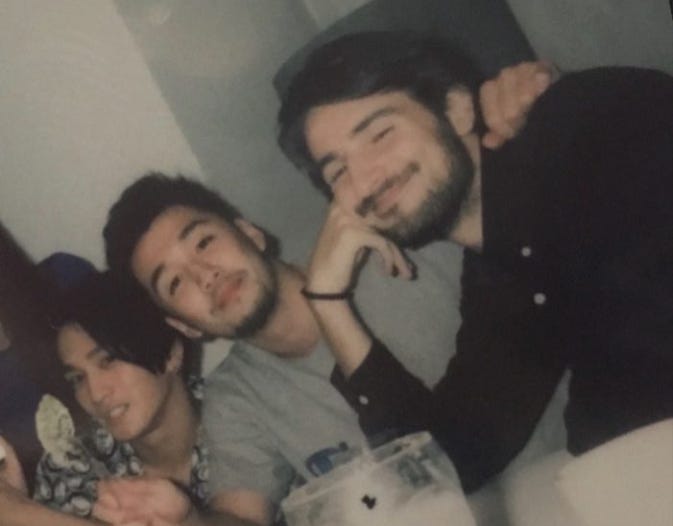
The brotherhood between Peppe, Ryo, and Ruka. They had this natural, easy friendship where they supported each other, teased each other, and brought out the best parts of each other’s personalities. Ryo teaching Ruka the whole “bros over hoes” concept and Ruka taking it in with that wide-eyed innocence he always had. Such a cute moment.
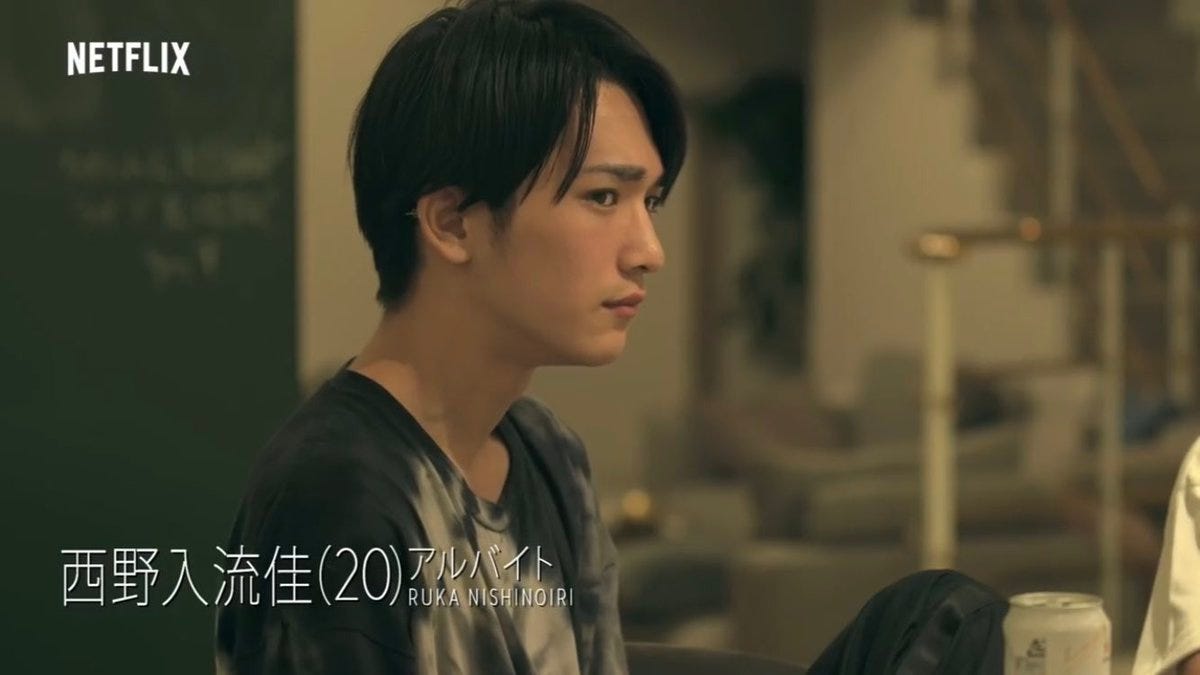
Ruka reading his departure letter. His ending really put things into perspective and how much he had grown from Terrace House. We all had a soft spot for Ruka, I mean at least I did. Poor thing, he struggled a lot in the beginning as he exhibited a lot of silly and childish behavior in many instances and his aspirations are nothing short of a fantasy. His speech really did it for me, it was emotional, heartfelt, a true tear-jerker. Pepe and Ryo were the best hype men during his speech too, it was so beautiful to watch.
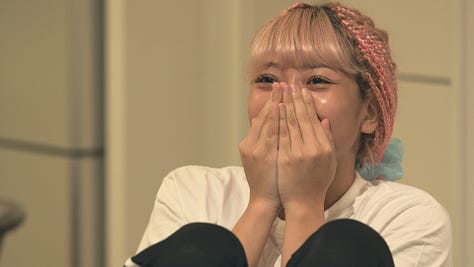

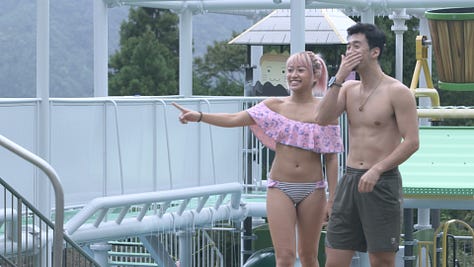
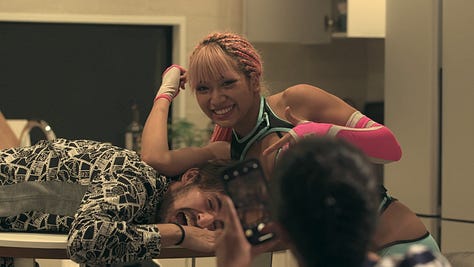
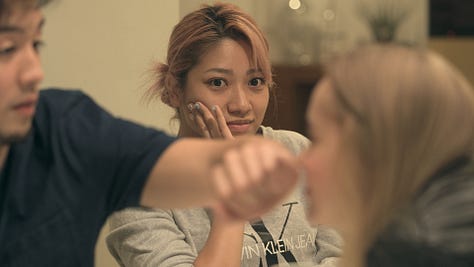
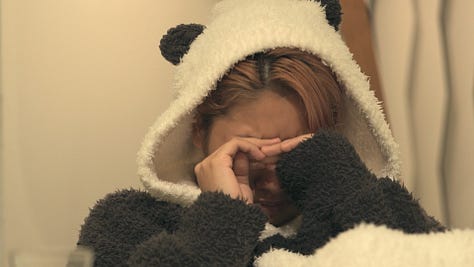 Hana Kimura – Gone Too Soon😢 She was pure-hearted, vibrant, expressive, sweet, confident, and vulnerable. She had some of the most emotionally honest moments in any Terrace House season. I genuinely adored her, which is why the tragedy hits so deeply. She lit up like a kid with her first crush, watching her gush over her basketball crush was so adorable. Pure innocence and softness. When Hana was crying after witnessing Ryo bonding with Vivi, that was one of the most raw, painfully relatable scenes especially because Hana was so open about her feelings.
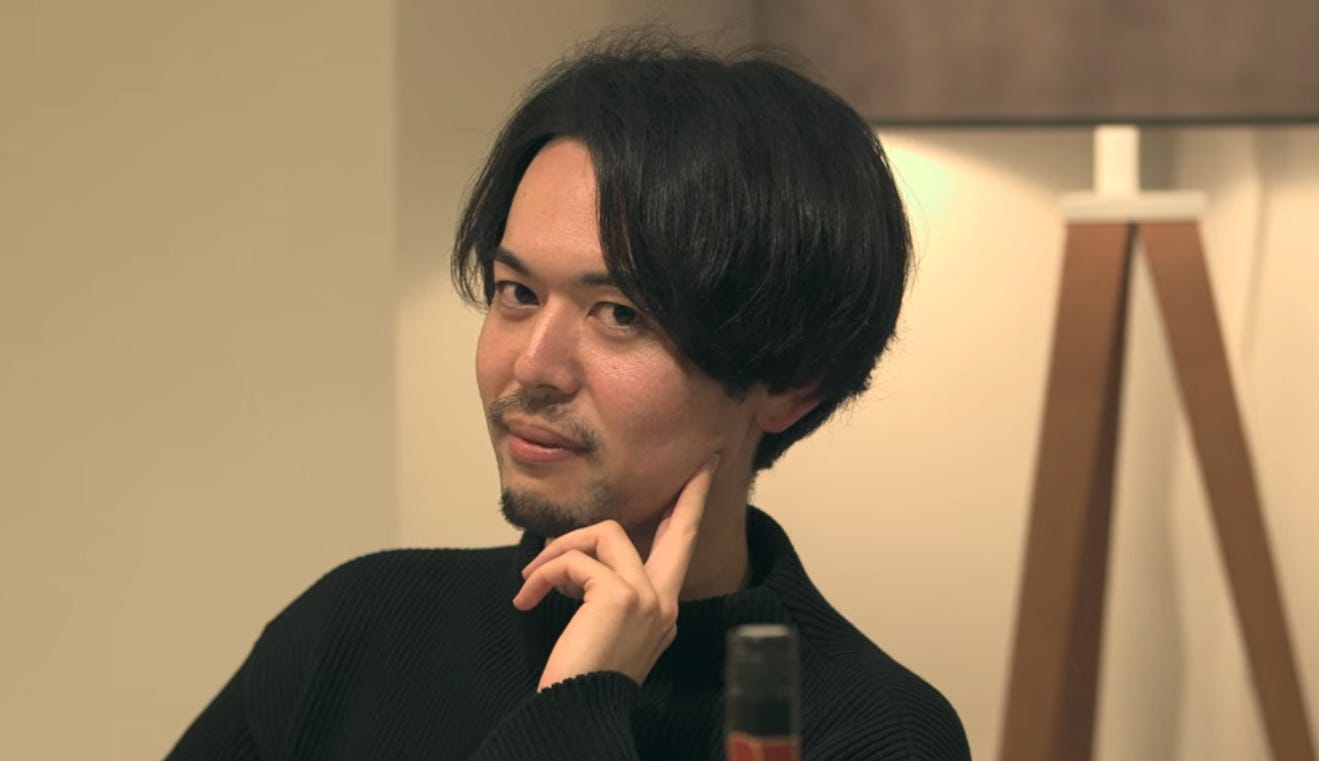
My least favorite character in this season goes to… Boss. I don’t really know what the hell was happening, but in the second half of the season, the show took a really dark turn. Especially after Boss arrived. He came across with these predatory, pervy vibes that just didn’t fit the Terrace House tone at all.
The “double date” trip he forced them to go on was honestly disturbing, especially when he kept making comments about wanting to drink their bathwater and pressuring the girls to sleep next to him.
It crossed every boundary of normal social behavior, and it felt so far removed from the gentle, respectful dynamic the show is known for. It was one of the few times I felt uneasy while watching TH. That double date trip to Kyoto even led to a nasty fight between Hana and Kai in the next episode, and you could feel the producers pushing Boss and everyone else into being chaotic and inorganic.
The manufactured vibe became even more obvious now because earlier in the season Peppe and Haruka were randomly playing Pokémon Go, clearly as a promotional tie-in because it sort of felt like you’re watching a commercial, not something they would naturally be doing together.
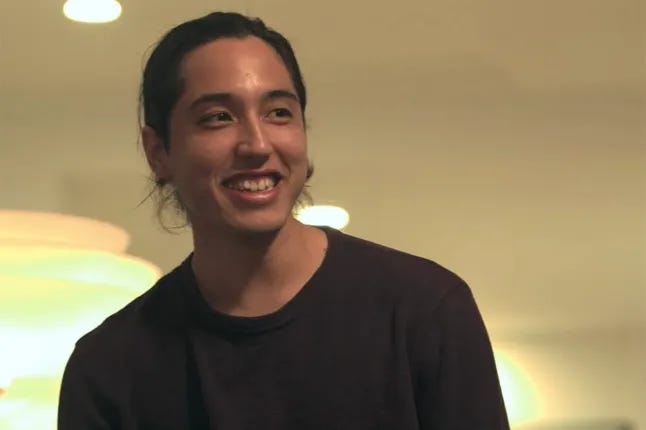
Kai – Sweet Soul, Soft Ambition. He was just at the wrong place at the wrong Time. Kai oh Kai. This is going to be a long one. He was one of the more complex cast members in the 2019–2020 season, mostly because he just wasn’t built for the emotional intensity or social expectations of Terrace House.
He came in with this soft-spoken, almost painfully gentle energy, an aspiring comedian/artist who clearly had dreams, but not much structure or direction behind them. He was kind, introspective, and very much in his head as he kept bombing his stand up shows. This made him really relatable for me as I struggle with performance anxiety as well, but it’s frustrating to watch someone else dealing with it.
On top of that, he struggled with finances and articulating his feelings in a house full of strong personalities. I really feel like he was mismatched for a show that thrives on clear communication and emotion connection so I’m not really sure why he was casted in the first place. He also isolated himself at times, quite a bit.
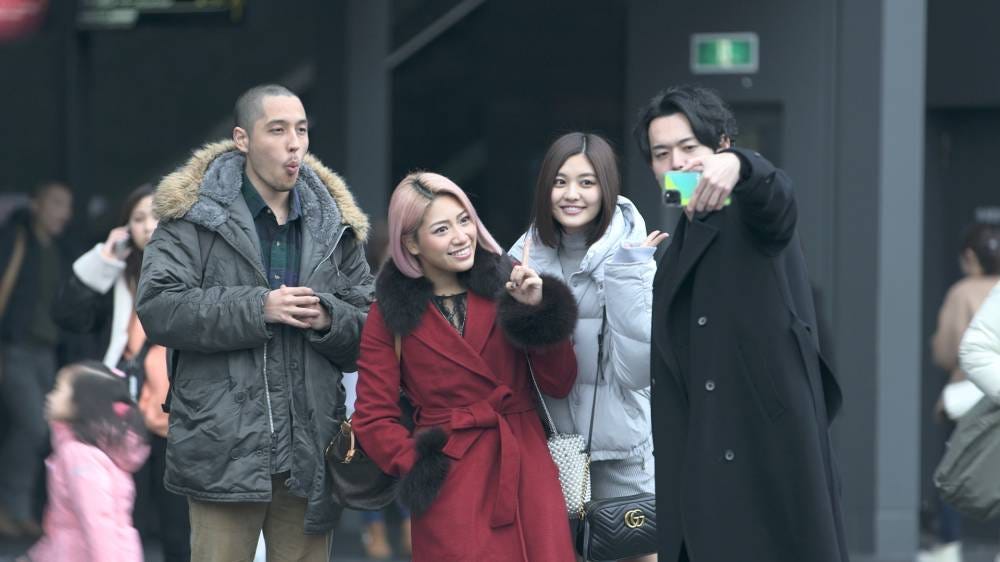
And then came the big fight with Hana after the unnecessary double date, which changed everything. Hana lashed out at Kai for his passivity, self-absorption and lack of effort. Kai, being Kai, didn’t know how to defend himself.
His inability to communicate under pressure made the fight spiral quickly. I really felt bad for him. He left the show an episode later. He was simply someone who wasn’t emotionally prepared for a show that demands peopleto be able to adjust to different personalities.
The producers were clearly pushing Hana to fight with him. The energy felt so manufactured, and Kai became an easy target because he wasn’t confrontational or assertive. He just folded, silently, and the whole moment just felt so unfair. Kai’s arc is one of those reminders of why Terrace House works best when it stays authentic. When the show pushed too hard, people like Kai and Hana, so sweet and fragile get caught in the crossfire.
By this time, the magic of Terrace House had faded, replaced by a heaviness and confusion that only worsened once COVID hit and the show fell apart. This season had moments of real beauty, but it also marked the breaking point where the charm, the sincerity, and the gentle emotional rhythm that defined Terrace House could no longer survive under the pressure.
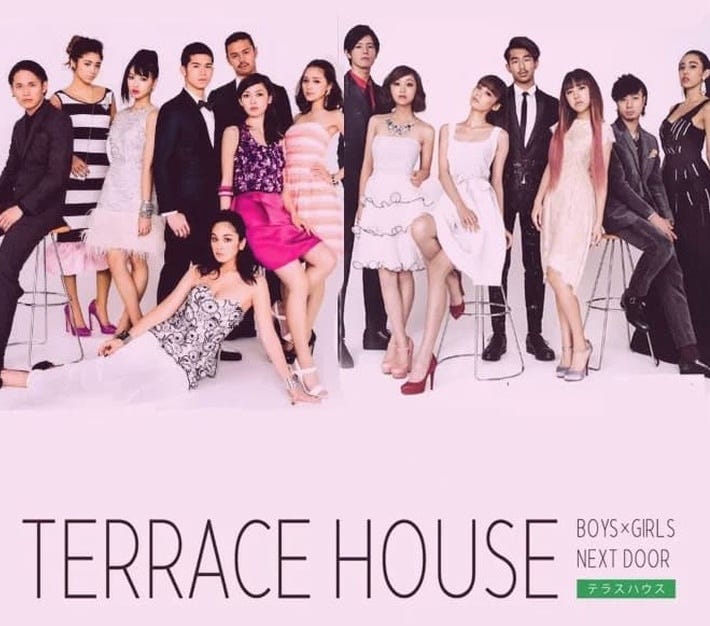
The OG Terrace House (Standalone, Unranked).
The original Boys × Girls Next Door (2012–2014) is the blueprint. I didn’t put it amongst the other ranks because It deserves its own category as it’s the heart of the franchise.
It’s less polished, more raw, more real and feels closer to a real documentary than a reality show. The pacing is slower, the cast is more ordinary, and the drama unfolds naturally without any sense of “performing for Netflix.”
Where Netflix brought aesthetic upgrades and faster pacing, the OG brought soul. You see the birth of everything Terrace House would later become, the silences, the slow burns, the awkward dinners, the micro-conflicts, and the polite-but-devastating confrontations.
And the music? Soooo good. Because it wasn’t under Netflix yet, there were no licensing restrictions, which meant the soundtrack felt richer, more intentional, and more emotionally aligned with the scenes. Songs like Santeria by Sublime and tracks by Red Hot Chili Peppers played frequently during the beach scenes, giving them that laid-back, sun-soaked, almost nostalgic feeling.
And the theme song being by Radiohead, one of my favorite bands ever, just sealed it for me. It gave the show the dopest, most introspective vibe, moody, thoughtful, and quietly emotional. That kind of atmosphere is something the Netflix seasons never fully managed to recapture. The music in the OG didn’t just sit in the background, it shaped the feeling of the show.
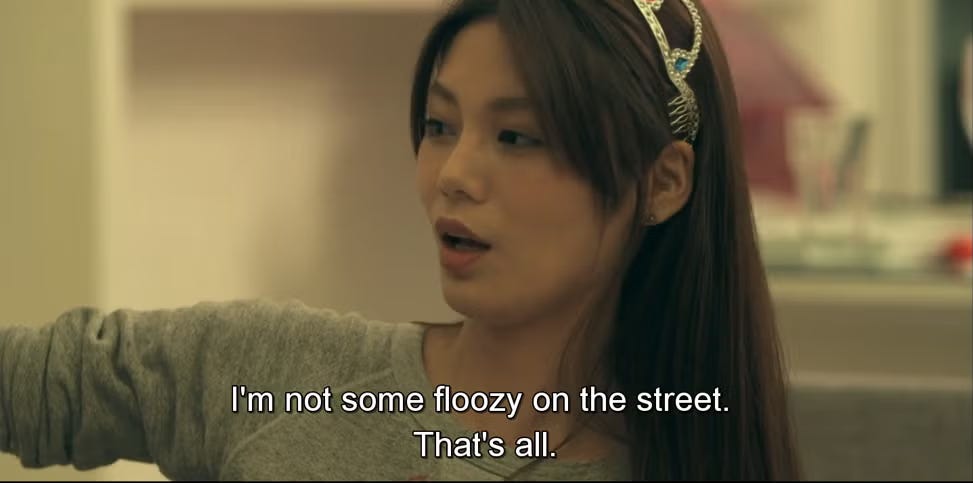
Masato & Seina’s Early Dynamic. One of the most memorable early arcs in the OG was the dynamic between Masato (the pro surfer) and Seina, my girl. Yes, Seina was in the OG long before she became a legend in the Netflix seasons. Their push-and-pull, flirtations, misunderstandings, and emotional clashes set the tone for how Terrace House would do “grown-up drama” in a subtle, realistic way. Seina’s presence was powerful even back then, and Masato’s chill surfer confidence created one of the first major emotional storylines of the franchise.
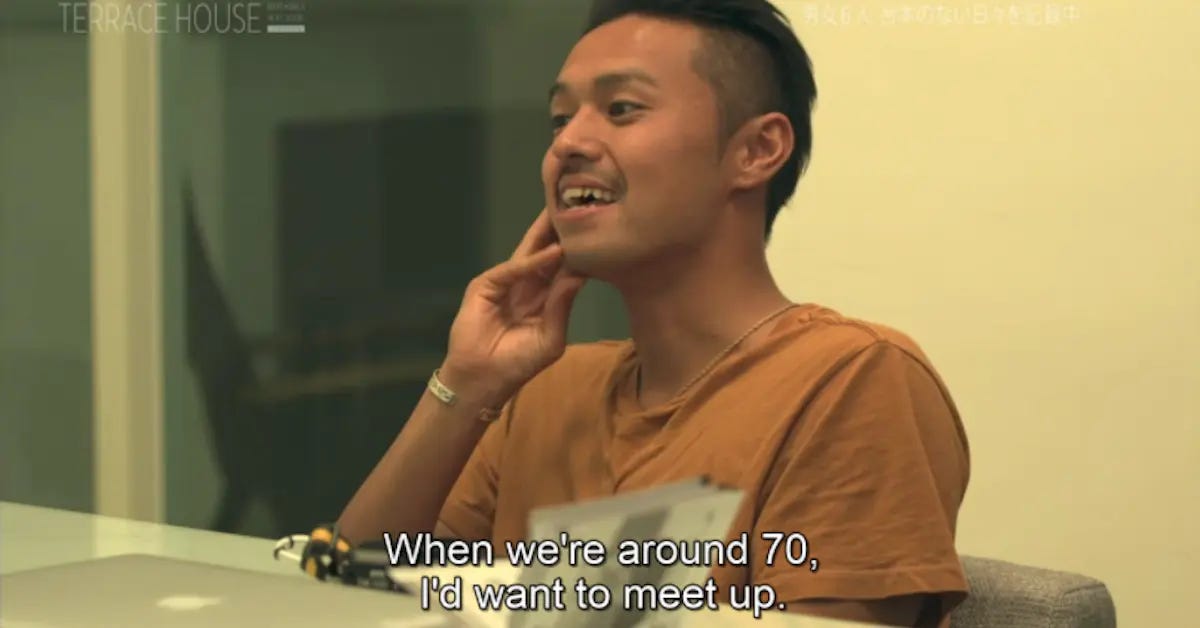
Yosuke Imai: The OG King of Chaos and Vulnerability. One of his wildest arcs was when online haters started coming for him, instead of doing the typical Japanese “ignore and rise above”, he announced he wanted to literally posted a location for them to come fight him. It created tension in the house because everyone else reacted with confusion and concern, it was dramatic, emotional, and honestly kind of hilarious because it was so out of character for the show’s usually soft-spoken cast.
The online bullying was starting to get to him and he wanted to leave the show. It was taking a toll on him in a very real way. The other cast members encouraged him to not give up so quickly. You really do ned to have thick skin to be on reality tv. Watching him struggle while still trying to stay true to himself, made his storyline even more human and unforgettable. But the chaos didn’t stop there.
Later on in the season, Yosuke finds himself tangled in a two-timing situation, with one girl in terrace house and one girl on the outside. This created a storm of awkwardness. It wasn’t malicious, but he was indecisive and emotionally immature, which led to misunderstandings and a noticeable stir among the housemates.
There was even something very pure and honest of watching him try and do the right thing while yearning for love. It was messy, but the real kind of messy that makes the OG Terrace House so compelling.
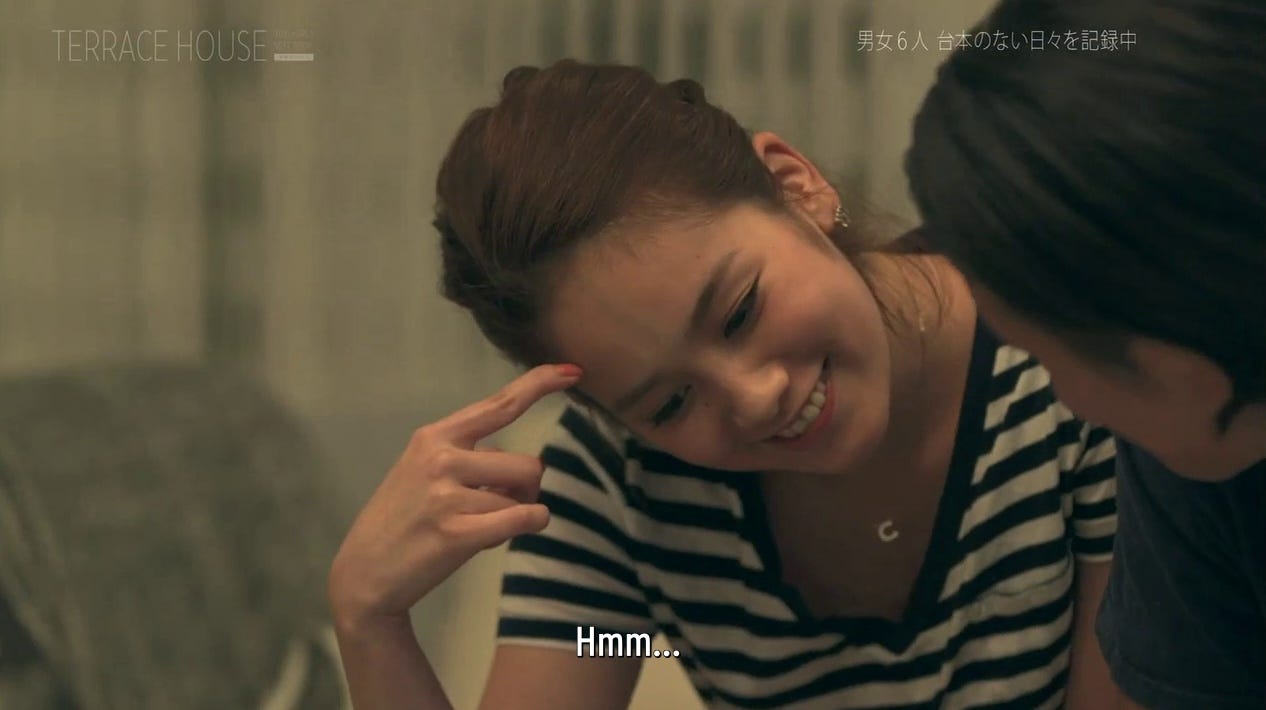
Daiki’s injury arc absolutely destroyed me. Daiki had just learned he had an arachnoid cyst, fluid in his brain, and that continuing kickboxing could literally kill him… it was one of the heaviest, most human moments in Terrace House history. You could see his entire world shift in a single breath.
Even the commentators were crying, it was a full tissue-box episode. I cried like a baby the first and second time I watched it. Daiki falls into a quiet depression afterward, trying to figure out who he is without the sport that he loved very much. He eventually chooses a completely new path, studying for his high school diploma so he can work with children.
We see him struggling through the textbooks and humbly working his way up. He even asks Miwako to stay beside him and help him study, completely unaware that she’s secretly in love with him. This is some good reality TV. The OG era has its own vibes and in its own category.
 Honestly, Vanessa