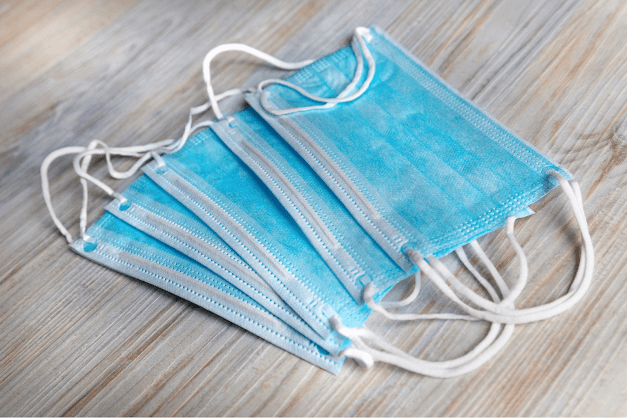
One thing I’ve always quietly admired about Japan is how normal wearing a mask is.
Not because of fear.
Not because of rules.
Not because someone told them to.
But because it’s considerate.
If you have a cold, you wear a mask.
If your allergies are acting up, you wear a mask.
If you’re packed into a train with hundreds of other people, you wear a mask.
The logic is simple: I don’t want to make someone else sick.
That’s it.
No performance.
No identity crisis.
No outrage.
And that’s where the contrast with the West becomes painfully obvious.
Because here, something as small and temporary as wearing a mask during COVID made people absolutely miserable. Not because it was unbearable, but because it interfered with vanity, comfort, and the idea that personal freedom should never be mildly inconvenienced for the sake of others.
Let’s be honest, a lot of people weren’t suffering. They were annoyed.
Annoyed they couldn’t see their face.
Annoyed they couldn’t be perceived the way they wanted.
Annoyed they were asked to consider someone other than themselves.
What COVID exposed wasn’t just fear, it exposed how deeply individualistic, image-obsessed, and inconsiderate Western culture is. The idea of altering behavior for collective well-being felt offensive to people who are used to centering themselves at all times.
In Japan, masks aren’t dramatic. They’re not loaded with politics or identity. The covering of the face doesn’t become symbols of oppression or rebellion. They’re just practical. Almost boring. Like washing your hands or covering your mouth when you cough.
There’s also something else I really respect: masks offer emotional breathing room.
In Japan, they provide a kind of anonymity. A soft shield. You don’t owe the world your full face, your mood, or your energy every time you step outside. And honestly, that feels deeply humane in a society that already demands so much from people. This is why I love wearing the Niqab as brave as that is in the West.
Masks aren’t treated like medical emergencies. They’re neutral, coordinated, integrated into daily life instead of screaming crisis.
To me, it all comes back to one word: consideration.
So when I see masks in Japan, I don’t think fear.
I think restraint.
I think maturity.
I think people who understand that living in a society sometimes means accepting minor discomfort so someone else doesn’t suffer.
And honestly, in a world obsessed with self-expression, self-importance, and self-image, that kind of quiet care feels radical.
And beautiful.
 Honestly, Vanessa