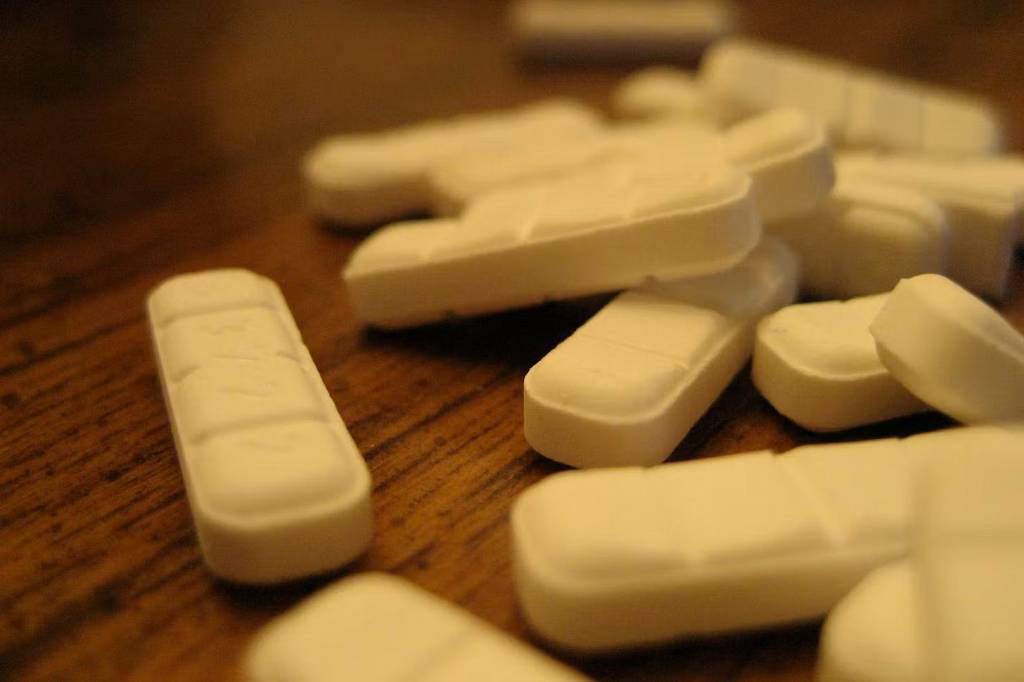
For years, the mental health industry has sold us this idea that a pill is the fastest way out of our pain. A shortcut. A lifeline. A chemical solution for emotional problems that were often created by our environment, our trauma, our relationships, and our lifestyle. And when we’re desperate, hurting, or exhausted from carrying our own mind, we want want to believe them.
I was a film school dropout dealing with major anxiety and panic attacks, especially performative anxiety. The panic alone was holding me back. I also had a lot of trauma going on in the background, so I was extremely vulnerable and desperate when I went to see my first psychiatrist.
But there’s a darker side of psychiatric medications that rarely gets mentioned in the doctor’s office especially when the doctor is more of a pill mill than an actual helper. Actually a lot of psychiatrists today function more like pharmaceutical sales reps than mental health professionals.
The 10-minute appointments are a GIVEN. Too short to understand your trauma, upbringing, relationships, nutrition, sleep, or environment, all the things that actually shape your mental health. Psychiatrists shouldn’t even be seen first before seeing a therapist, nutritionist, etc. How is that even a thing? Everything is separate in modern medicine.
There are very real long-term consequences of benzodiazepines and Adderall that millions of people experience, but most psychiatrists avoid talking about.
Because the truth is, these meds can help in the short term, but their long-term side effects can fundamentally change your brain, your emotions, and your identity.
Doctors present benzodiazepines as a quick fix for anxiety, insomnia, panic attacks. But long-term use does something far more damaging underneath the surface. There is the emotional numbing. People will stop feeling a full emotional range. It doesn’t just stop feeling the anxiety, but things like joy, motivation, creativity, connection can be non existent.
I’m really thankful that I wasn’t on these drugs for that long to feel complete emotional numbness, but there are a few people close to me that were on these medications long term and experiencing these things.
Then there’s the dependency that’s masked as management. Our brain becomes chemically reliant on the drug to feel okay. Benzo withdrawal can mimic serious illness such as tingling, burning, nerve pain, insomnia, heart palpitations, muscle rigidity, agitation, derealization, intrusive thoughts and heightened panic. For some reason, doctors often interpret this as “your disorder is getting worse” instead of your brain reacting to the drug.
Then there is the cognitive dulling which is something I experienced after being on Xanax for a year, the foggy thinking, memory problems, and slower processing. But psychiatry rarely warns you that Benzos basically rewire your nervous system, and un-wiring it is painful.

Then there is polypharmacy. Doctors tend to stack meds on top of meds to treat the side effects of the first medication. Because I was feeling a lot of cognitive dulling from the Xanax, the psychiatrist prescribed me Adderall to take. Yikes. Don’t get me started on the long term effects of taking both at the same time.
Adderall is the stimulant that feels like it can give you superpowers until It doesn’t. No one denies that Adderall works until it starts working against you.
Long-term use can lead to physiological burnout because your nervous system is stuck in fight-or-flight for too long. Over time you start experiencing fatigue, anxiety, irritability, emotional crashes, hormonal shifts, and sleep disturbances. Appetite suppression becomes another problem, because chronic under-eating leads to blood sugar instability, mood swings, and even more reliance on the drug to feel “normal.”
And then there’s the identity distortion. People often say, “I don’t know who I am without it,” because over time the medication becomes the source of your personality, your confidence, your productivity, and your coping.
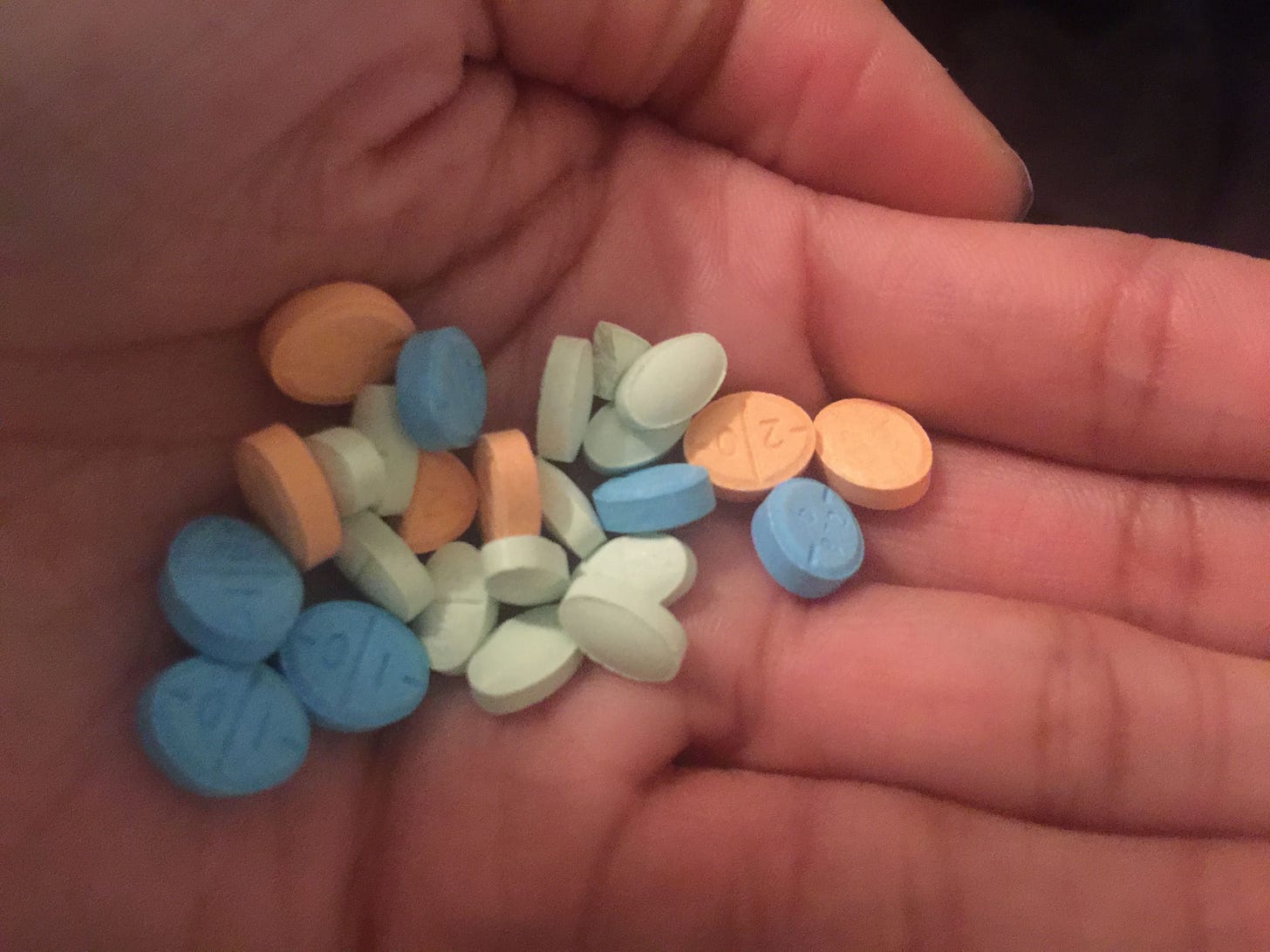
There is no support when you want to stop and seek other options. They’ll prescribe easily but downplay the hell of trying to get off long-term stimulants and benzos. Most psychiatrists today are trained to manage symptoms, not resolve root causes, and definitely not reclaim your personal power.
The most harmful part is how these medications distract you from actually healing. The biggest danger isn’t even the side effects, it’s the illusion that a pill has “fixed” you. You stop asking deeper questions, stop addressing your trauma, stop rebuilding your nervous system, and stop learning any real emotional regulation. You stop nourishing your body, changing your environment, and challenging the beliefs that keep you stuck. Medication can be a temporary tool, but long-term, uncritical use can quietly become a barrier to real transformation.
We need a new conversation about mental health because the mental health industry loves to talk about evidence-based medicine, but refuses to talk about evidence-based harm. Our nervous systems can heal with the right inputs, not every psychiatrist practices responsibly, our intuition matters, and side effects are never “in our head.”
During the COVID quarantine, I suddenly had more time to myself because my job was rotating shifts. I started researching natural remedies, lifestyle changes, and ways to support anxiety and depression without relying on pills, because everything I had learned and lived through genuinely scared me.
I wanted to warn others, so I started a small YouTube channel for people who may be going through the same thing. But after marrying a public figure, I pulled back out of fear that people would twist my story into something shameful, as if doctors hadn’t put me in that position to begin with. The shame and stigma around mental health and prescription drugs is wild like a doctor is only respectable when you show up with physical pain?
So this is your reminder to be cautious, informed, and your own advocate, because the system isn’t designed to protect you, it’s designed to manage you.
 Honestly, Vanessa