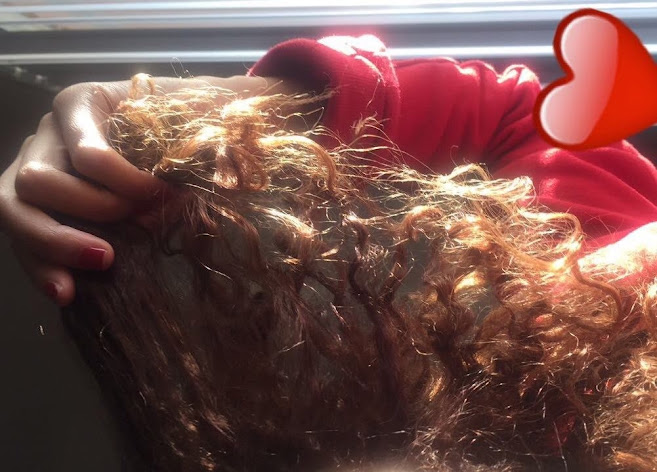
If you have 3C curls, you already know this, your hair has a personality. Some days it cooperates. Some days it absolutely does not. And a lot of what I learned about my curls came from trial, error, and ignoring advice that clearly wasn’t made for my hair type.
I’ve straightened and colored my hair for as long as I could remember and it left my hair brutally damaged. So I did a big chop last year to START ALL OVER and embraced my hair as is. No bleaching. No straightening. My hair in it’s most natural state.
I love using oils on my hair particularly argan and rose hip seed oil, but I quickly realized that there is a right and wrong way to use them. but I used slather oil on my hair while it was dry while expecting moisture. I learned that adding oil right after washing was the best way to go because oils seal, not soak. That’s the job of water.
Once I started applying oil to damp hair or after a leave-in, everything changed. My curls stayed softer longer. Less frizz. More definition. Less buildup. I also learned that my hair likes consistency more than intensity. A little oil regularly worked better than drowning my curls once a week. i was starting to really love my curls.
I stopped chasing every new curly product and focused on what my hair felt like afterward. Soft was good. Stiff or squeaky wasn’t. When it felt crunchy, it was often overloaded with protein or heavy gels. I hated the feeling of wet hair so eventually I stopped using those products. The oils were enough for me, especially castor oil.
For gentle cleansing that won’t strip my curls, I chose a sulfate-free shampoo, which uses milder surfactants and helps keep my natural oils intact so my curls feel soft instead of dry and frizzy which is the Shea Moisture Coconut & Hibiscus Curl & Shine Shampoo. I was done with harsh shampoos. It gently cleanses and smooths the hair.
I also did some research and experimented with more natural boosting approaches as its a more gentle approach. My favorite conditioner right now is the Camille Rose Curl Love conditioner, it’s a little on the pricier side, but its worth it.
It deeply moisturizes my curls. I wanted to incorporate more natural ingredients for extra nourishment. I would add some aloe vera gel, glycerin and coconut milk to my conditioner and wow it was a game changer for me!
My hair stayed moisturized for days instead of drying out by the next morning. It stopped feeling like I was constantly chasing moisture, and for the first time my curls actually felt nourished instead of temporarily styled.
Bananas, Avocado chunks, eggs and fruity purees were just too messy for me and I don’t think it was as effective as aloe, coconut milk and glycerin.
Before commercial shampoos and conditioners, women relied on herbal powders, soapnuts, diluted soaps, plain water rinses, oils, infusions, rinses, and protective practices, not harsh and quick wash-and-go products like we see today.
Women didn’t wash their hair frequently so their hair had some of the natural oils hair is supposed to have. They would add the natural ingredients before washing and it worked because they still had moisture in their hair.
They weren’t stripping their hair of the natural oils so often so they didn’t need aggressive repair. Notice how conditioners today is often labeled for damaged hair.
Herbal rinses were the closest thing to conditioner.
Herbs like marshmallow root, slippery elm, flaxseed, fenugreek, aloe were gooey in texture and created slip, softness of the hair and easier detangling, but they only way they can effectively work is if the hair is not being over washed or heat styled.
Another interesting thing I discovered was that the hair was almost always in protective styles. Loose, exposed hair all day is a modern thing which is so shocking. Historically, hair was always braided, wrapped, covered or tied back, yes even for European women with much smoother hair.
The ends were protected, friction was minimal, and hair wasn’t constantly manipulated. Conditioner exists today because modern habits is much harder and damaging on hair. Mind blown.
Think about it. Frequent washing, harsh shampoos, heat tools, chemical treatments and constant manipulation. Conditioner compensates for all of that.
I am a highly observant person so I could tell my hair reacted to what was going on inside my body.
A lot of people don’t focus enough on this aspect of hair care. It is considered separate in today’s context. When I wasn’t eating enough, my curls looked dull. Yes, there’s absolutely a connection there.
When I lived on coffee, fast food and snacks, my hair felt weaker. When I ate real meals, especially with enough fats and healthier oils, my hair behaved better. I used to skip meals constantly. I also hate drinking water.
Yes I know, I’m crazy, but hair is one of the first places to get deprioritized when the body is dehydrated over time.
After I changed my lifestyle and diet, my hair felt stronger, thicker, and grew more evenly when I stopped treating food like an enemy. Even during stressful periods, my hair felt drier, more fragile and harder to manage as well.
So yeah my tips are nothing extraordinary. Just consistency, doing research and listening to what works for you.
I’m still learning, but my curls are way happier now than when I was trying to force them into routines that weren’t made for them. I might eventually go back to strengthening my hair again, because let’s face it. Curly hair is real work, but now I know how to actually take care of my natural curls when the time comes.
Curly hair really does teach you patience, and even when I don’t always have it, I know I can return to my curls with more understanding than before.
 Honestly, Vanessa